
Understanding UK Sanctions: A Comprehensive Legal Guide
The United Kingdom has established a comprehensive sanctions framework that impacts various sectors and stakeholders. Understanding the intricate details of this framework is essential for businesses and individuals alike. This legal guidance on UK sanctions issues provides insights into compliance, enforcement, and best practices for navigating these regulations.
What Are UK Sanctions?
UK sanctions are restrictive measures imposed by the government to achieve foreign policy objectives and uphold national security. They may target countries, individuals, organizations, and specific activities associated with unlawful conduct, terrorism, or human rights abuses. The UK’s sanctions regime is primarily implemented through the Sanctions and Anti-Money Laundering Act 2018 (SAMLA) and enforced by the Office of Financial Sanctions Implementation (OFSI).
Types of Sanctions
Sanctions can be broadly classified into several categories:
- Trade Sanctions: These restrict or prohibit trade with certain countries or entities.
- Financial Sanctions: These freeze assets and restrict financial transactions with designated individuals or entities.
- Travel Bans: These prohibit designated individuals from entering or transiting through the UK.
- Sectoral Sanctions: These target specific sectors of an economy, like energy or defense.
Compliance Obligations
Complying with UK sanctions requires a comprehensive understanding of the legal requirements. Businesses and professionals must adopt a proactive approach to ensure compliance with these regulations. Here are key compliance obligations:
- Diligence and Risk Assessment: Conduct regular assessments to identify potential risks related to sanctions compliance in your operations.
- Screening: Implement effective screening procedures to check against sanctions lists before engaging in transactions or partnerships.
- Reporting: If a breach occurs, promptly report it to the OFSI and cooperate with investigations.
- Training: Provide regular training to employees on sanctions compliance, focusing on their roles and responsibilities.
Assessing Risk Factors
Businesses must evaluate various risk factors associated with sanctions, including:
- Geographical Risks: Conducting business in or with countries subject to sanctions increases risk exposure.
- Sector-Specific Risks: Evaluate if your industry is prone to specific sanctions, such as those affecting technology or financial services.
- Customer and Partner Risks: Assess the sanctions history of potential partners and clients.
Consequences of Non-Compliance
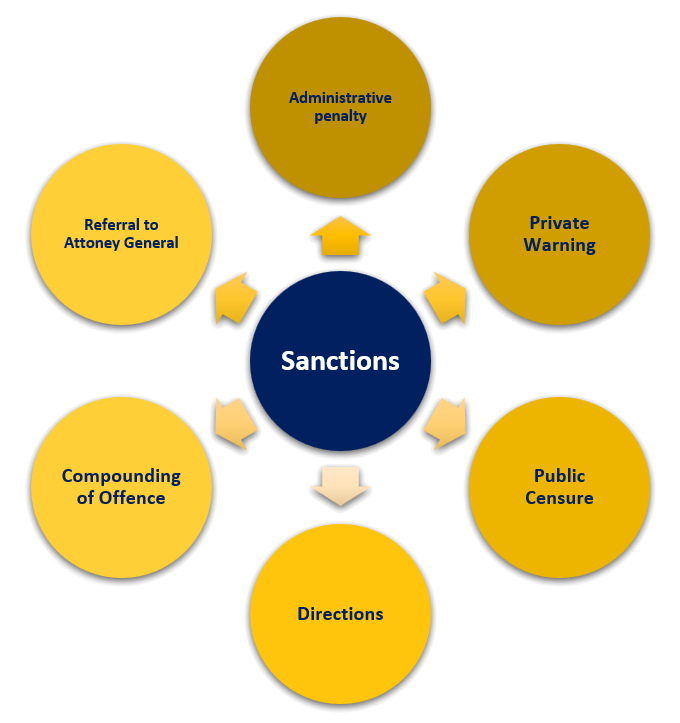
Failure to comply with UK sanctions can lead to severe consequences, including:
- Financial Penalties: OFSI can impose substantial fines for violations.
- Criminal Prosecution: Serious breaches may trigger criminal charges against individuals or companies.
- Reputational Damage: Non-compliance can severely harm a business’s reputation, leading to loss of trust among clients and partners.
Recent Developments in UK Sanctions
The landscape of UK sanctions is continually evolving, especially in light of geopolitical events and international relations. Recent developments that businesses should monitor include:
- Sanctions Related to Russia: In response to geopolitical tensions, the UK has imposed extensive sanctions against individuals and sectors in Russia.
- Human Rights Violations: The UK continues to implement measures against individuals and entities involved in human rights abuses globally.
- Global Economic Sanctions: Increasing cooperation with allies, such as the U.S. and EU, regarding coordinated sanctions against rogue states.
Best Practices for Compliance
To ensure compliance with UK sanctions, businesses should adopt the following best practices:
- Develop a Compliance Program: Establish a robust compliance framework that articulates policies, procedures, and responsibilities related to sanctions.
- Conduct Regular Audits: Perform routine audits of your operations and transactions to verify compliance with sanctions policies.
- Stay Informed: Regularly update your knowledge of sanctions laws and changes, subscribing to relevant updates from OFSI and legal experts.
- Seek Legal Guidance: When in doubt about compliance issues, consult with legal professionals who specialize in sanctions law.
Conclusion
Understanding and complying with UK sanctions is vital for businesses operating within the UK or engaging internationally. The consequences of non-compliance can be grave, making it essential to adopt a proactive stance on risk assessment, training, and compliance strategies. By implementing the guidance outlined in this article, organizations can better navigate the complexities of UK sanctions and maintain robust compliance frameworks.