The uncertainty surrounding Iran’s economy and its geopolitical standing has made it a focal point for discussions regarding international sanctions. In recent years, the focus has shifted significantly to more on Iran secondary sanctions, which have created intricate challenges for businesses and countries considering engagement with Tehran. Understanding these secondary sanctions is crucial for companies that have operational exposure or dealings with Iranian entities, as the repercussions of these sanctions can have far-reaching effects.
Understanding Secondary Sanctions
Secondary sanctions are punitive measures that the U.S. imposes on non-American individuals and enterprises that engage in certain transactions with a state that Washington considers a threat to its national security, like Iran. These sanctions are intended to deter foreign companies from conducting business with Iran and can potentially affect their future dealings with the American market. The distinguishing feature of secondary sanctions is that they are not solely focused on U.S. entities but extend to foreign companies that facilitate trade with sanctioned countries.
The Legal Framework
The legal framework for these sanctions originates from various pieces of legislation, such as the Iran Freedom and Counter-Proliferation Act (IFCA) and the most notable piece, the Comprehensive Iran Sanctions, Accountability, and Divestment Act (CISADA). These laws authorize the U.S. government to impose secondary sanctions on foreign entities that significantly engage in the Iranian energy sector, among other areas such as military and nuclear industries.
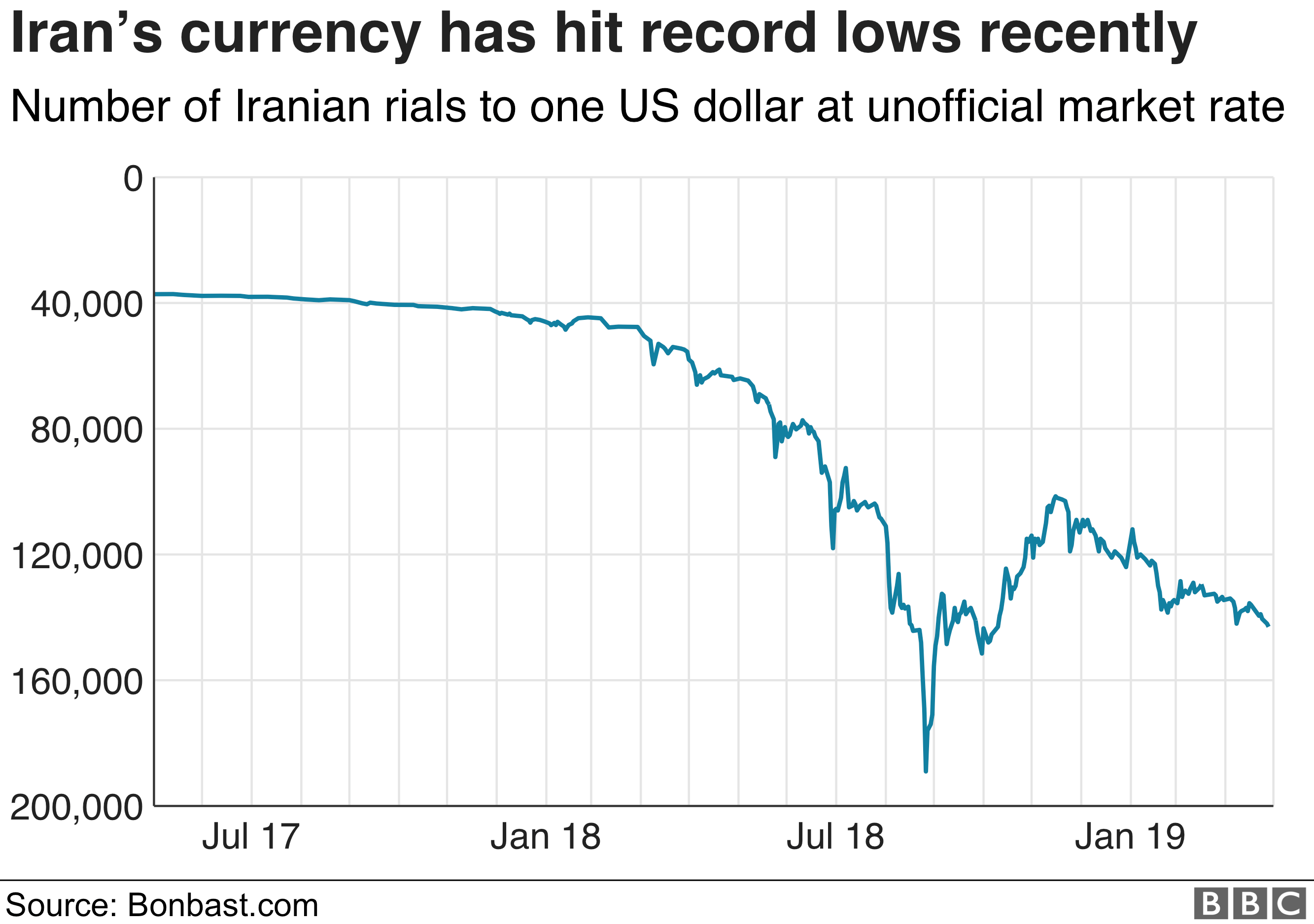
The enforcement of these laws has been seen both during the Obama administration with the implementation of the Iran nuclear deal (JCPOA) and more recently during the Trump administration when the U.S. withdrew from the agreement and reinstated extensive sanctions on Iran. The evolution of these sanctions reflects the complex and often volatile nature of U.S.-Iran relations.
Impact on International Businesses
The implications of Iran’s secondary sanctions on businesses can be severe. For international companies looking to do business in Iran, one of the most pressing concerns is the potential loss of access to the U.S. market. Many multinational corporations rely heavily on U.S. financing and trade, making it a considerable risk to operate in a sanctioned environment.
Moreover, the secondary sanctions can create a chilling effect. Companies may hesitate to engage with Iran, fearing repercussions that could result in fines, loss of contracts, or even legal action from U.S. authorities. This situation often puts businesses in a position where they must carefully assess the potential risk-reward balance of entering the Iranian market.
Navigating Sanctions Compliance
For businesses that choose to navigate these troubled waters, compliance is crucial. Implementing a robust compliance program is essential to mitigate risks associated with secondary sanctions. Companies should engage in thorough due diligence when screening partners, suppliers, and clients to understand their connections to Iran and the potential risks associated with those relationships.
Additionally, it is recommended that businesses regularly monitor changes in sanctions regulations and consult legal experts who specialize in international trade and sanctions law. Navigating the complexities of U.S. sanctions requires not only legal expertise but also a deep understanding of the geopolitical landscape surrounding Iran.
The Future of Iran’s Sanctions Landscape
The geopolitical landscape surrounding Iran continues to evolve, influenced by various factors, including domestic politics, international relations, and military developments. The future of secondary sanctions is uncertain, especially with changing administrations in the U.S., which may shift the direction of foreign policy towards Iran.
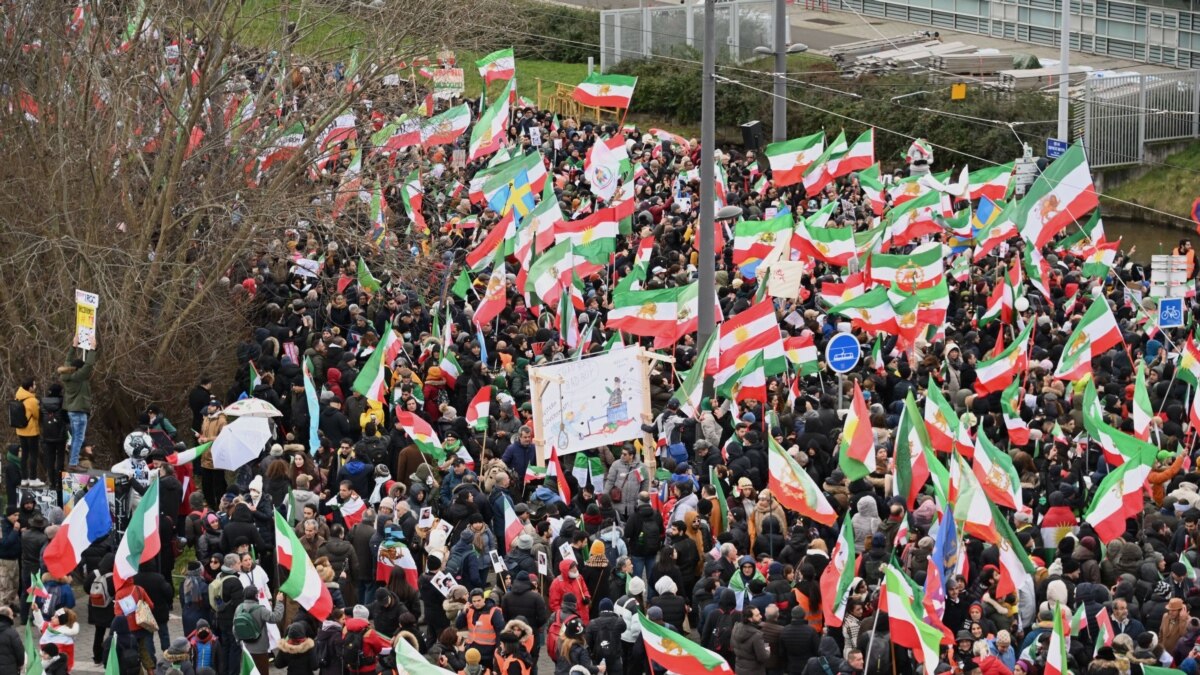
The potential for renewed discussions around nuclear deals, changes in regional alliances, and the impact of local unrest in Iran all contribute to a fluid sanctions environment. Businesses must remain agile and informed to adapt to these changes while balancing ethical considerations of doing business in a sanctioned country.
Conclusion
In summary, Iran’s secondary sanctions present a complicated and evolving landscape for international businesses. Understanding the legal implications, the impact on global trade, and navigating compliance are essential for companies considering engagement with Iran. As the geopolitical climate shifts, keeping abreast of secondary sanctions will continue to be paramount for any entity operating on the international stage.
Ultimately, while the risks of engaging with Iran are significant, the potential rewards may also be considerable for those willing to navigate these challenges carefully. The key lies in a thorough understanding of the risks involved and developing a comprehensive strategy for compliance and engagement that aligns with both business objectives and legal requirements.